
Healing a community suffering from neglect and decay (Part 2)


Healing a community suffering from neglect and decay (Part 2)
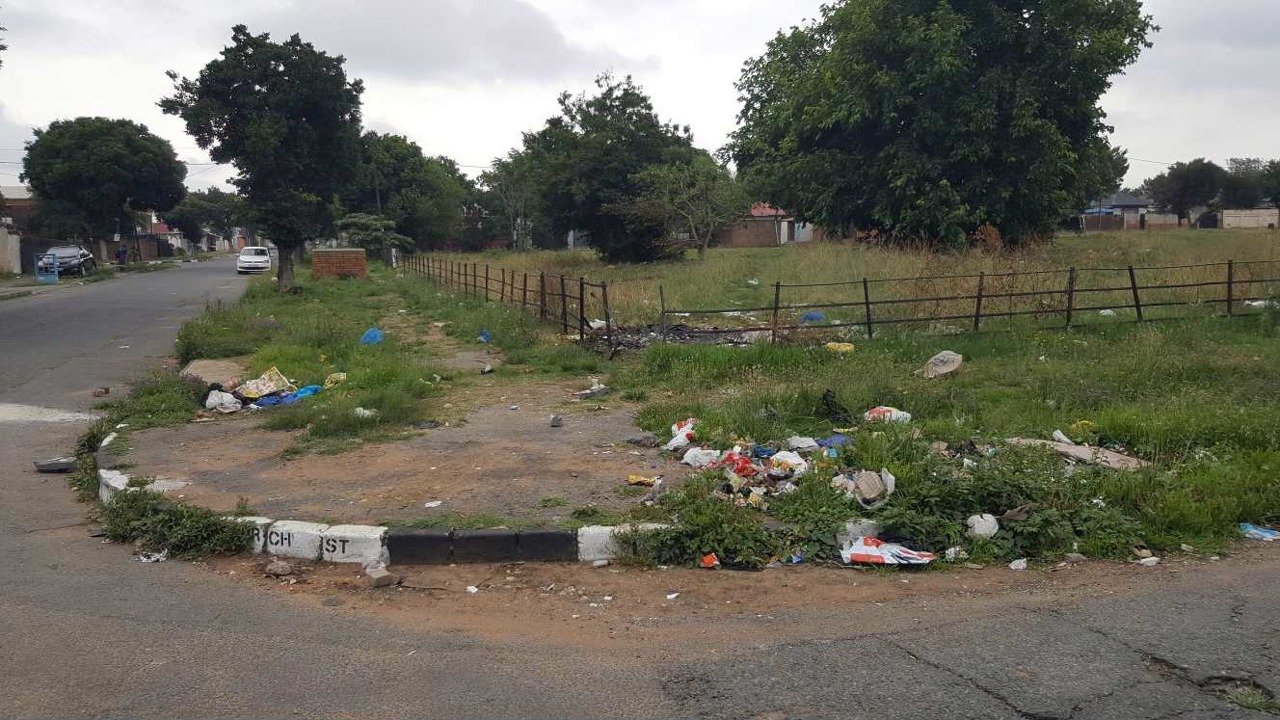
In spite of all the show there are clear indicators that all is not well, that our neighbourhoods are being robbed of our wellbeing, our tranquillity, our safety and our peace of mind.
Contrary to the belief that litter is just an aesthetic issue, litter and uncontained refuse profoundly affects community mental health and social trust. Research shows that dirty, disorderly environments are associated with feelings of stress, anxiety, and even poorer sleep quality. When litter accumulates, people will feel less safe, less motivated to use public spaces, and more disconnected from their neighbours.
Maintaining public cleanliness isn’t just cosmetic, it’s a cornerstone of communal respect and shared responsibility, which encourages a climate of ‘clean thinking’ to everyone’s benefit.
Total collapse is possible and needs to be prevented at any cost.
How do we begin to fix this situation?
Following are some suggestions and indicators that you can take upon yourself to collaborate with and to contribute towards your own healthy living environment and community wellbeing.
Healing
At its core, healing a community requires trust between citizens, local governance and institutions. When people see that their efforts—whether reporting a broken traffic light or joining a clean-up—actually lead to change, they regain faith in the system. Conversely, when authorities act transparently and consistently, they reinforce the idea that the community matters.
In short: clean streets, working infrastructure, and cared-for public spaces are not just physical improvements—they are psychological signals that a society is healthy, respected, and worth investing in.
We asked AI for some pointers -
Here’s a step-by-step “Community Healing Plan” that addresses the visible signs of neglect (filth, potholes, vandalism, overgrowth) while also tackling the deeper social and cultural roots of decay. Think of it as a roadmap from clean-up to long-term renewal:
Step 1: Immediate Clean-Up & Visible Wins
- Organise community clean-up drives with volunteers, schools, and local businesses.
- Partner with waste management services to ensure regular rubbish collection.
- Repair potholes, replace stolen street signs, and restore traffic lights quickly—these visible fixes build trust that change is possible.
Step 2: Infrastructure & Environment Restoration
- Trim overgrown pavements, and maintain community parks.
- Encourage tree planting.
- Introduce “Adopt-a-Street” programs where local groups maintain specific areas.
- Install durable, vandal-resistant infrastructure (metal bins, reinforced signage).
Step 3: Community Engagement & Ownership
- Establish neighbourhood committees to monitor cleanliness and report issues.
- Run awareness campaigns in schools and churches about littering, vandalism, and civic pride.
- Celebrate local heroes who contribute to the community’s upkeep.
Step 4: Safety & Accountability
- Improve street lighting and install cameras in vandalism hotspots.
- Encourage community policing forums to build trust between residents and law enforcement.
- Enforce fines for littering and vandalism, but pair them with restorative justice programs (e.g., offenders join clean-up crews).
- Enforcement of road laws, not only speeding fines, but punish bad driving, impound unroadworthy vehicles, penalise road sign disobedience as in ignoring no U-turns, not stopping at stop signs, talking on phones while driving, etc
Step 5: Cultural & Social Renewal
- Commission murals, art projects, and cultural events to reclaim neglected spaces.
- Create youth programs (sports, arts, skills training) to redirect energy away from destructive behaviours.
- Encourage local history projects to rebuild identity and pride.
Step 6: Economic Empowerment
- Support local businesses to revitalise local commerce.
- Train residents in green jobs (recycling, landscaping, urban farming).
- Develop public-private partnerships for sustainable investment in infrastructure.
- Enforce street pole advertising media owners to clean up street where they have a presence.
Step 7: Sustainability & Long-Term Monitoring
- Set up a community dashboard (digital or physical) showing progress: potholes fixed, rubbish collected, gardens planted.
- Create and measure Key Performance Indicators (KPIs).
- Rotate leadership in neighbourhood committees to avoid burnout and ensure inclusivity.
- Build resilience by linking community efforts to municipal planning and budgets.
The Healing Philosophy
In summary, societal healing isn’t just about sweeping streets—it’s about restoring dignity, trust, and shared responsibility. When people see their environment cared for, they begin to care for each other. The plan works best when quick wins (such as clean streets) are paired with deep investments (education, culture, economy).
Schools and Learners are Critical Agents of Change
Schools and learners are critical agents of change in any community healing plan. They bring energy, creativity, and continuity—because when young people are involved, the culture of care becomes generational. Let’s break it down into two dimensions: education and participation. Such principles, if well instilled, can also be contagious, transmissible and shared with other nearby neighbourhoods, regions or locations. Those morals that are foundational in the wellbeing of any community should become compelling, irresistible and transferrable to other towns and regions.
Education Viewpoint
Schools can embed community healing into their curriculum:
v Environmental Education
Ø Teach about waste management, recycling, and the ecological impact of litter.
Ø Link science lessons to real-world issues like pollution and urban decay.
v Civic Responsibility
Ø Integrate lessons on citizenship, ethics, and the importance of shared spaces.
Ø Encourage learners to see clean streets and maintained infrastructure as part of social wellbeing.
v Project-Based Learning
Ø Assign projects where students research local challenges (potholes, vandalism, overgrowth, anti-social behaviour) and propose solutions.
Ø Use math and economics classes to calculate costs of neglect vs. benefits of maintenance.
v Creative Expression
Ø Art and literature classes can produce murals, poems, or plays about community pride and healing.
Participation Viewpoint
Learners can actively contribute to the healing process:
v Clean-Up Campaigns
Ø Schools organize regular “Adopt-a-Street” or “Adopt-a-Park” days where learners clean and beautify spaces.
v Youth Leadership Councils
Ø Student councils can partner with municipal committees to represent young voices in decision-making.
v Community Gardens
Ø Learners help plant and maintain gardens, linking biology lessons to food security and beautification.
Ø Arbour Plantation.
v Awareness Ambassadors
Ø Students design posters, social media campaigns, or street plays to raise awareness about littering and vandalism.
v Monitoring & Reporting
Ø Learners can use simple apps or reporting systems to log potholes, broken lights, or vandalism, creating a sense of responsibility.
Ø Use Project Management Skills and IT Skills to plan, notify and to measure performance improvement.
v Celebrations & Festivals
Ø Schools host cultural events showcasing student art, music, and drama that highlight community pride.
Why Schools Matter
- Continuity: Learners grow up with these values, ensuring long-term sustainability.
- Energy: Young people bring enthusiasm and creativity that inspires adults.
- Reach: Schools touch nearly every family, making them powerful hubs for spreading awareness.
- Identity: When learners see themselves as custodians of their environment, they grow into valuable citizens who protect it.
In short: schools are not just participants—they are incubators of civic pride and responsibility, schools are the incubators of future responsible adults and community leaders. If the healing plan is a tree, schools are the roots that ensure it grows strong and lasts.
Do you think you fit into your community? Do you believe you are able to contribute positively to this initiative? Do you agree or disagree with the presented working framework? Share your thoughts and suggestions in our comments sections. Be active in improving your neighbourhood.


