
Community Wellness
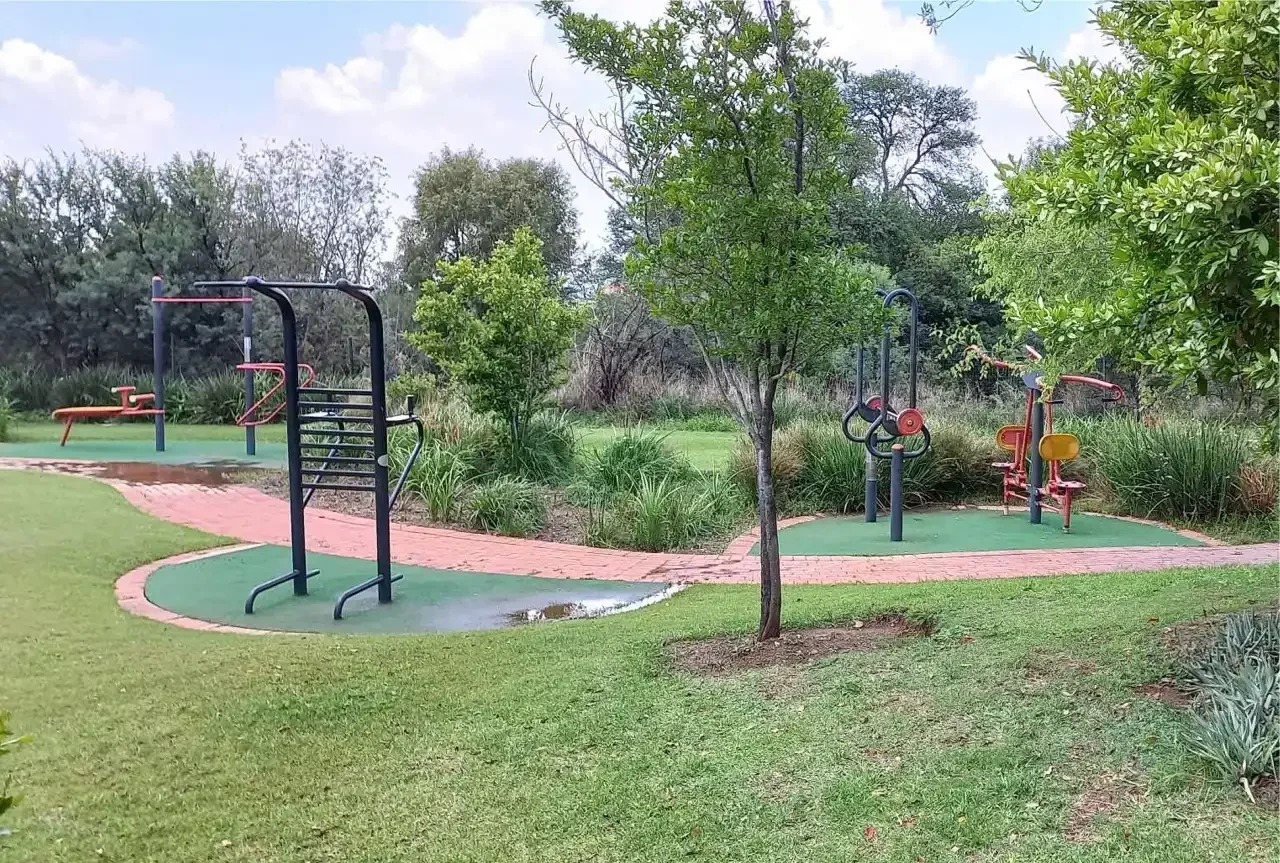


Community wellness – Healthy Communities build healthy and sustainable environments
Health and wellbeing are central to living a fulfilling life, and there are many pathways to achieving them. Among the most effective are working with personal trainers, engaging in simple activities like walking, and participating in community sports clubs and societies such as church groups or interest groups. Together, these approaches highlight the importance of both individual effort and collective support in maintaining a healthy lifestyle in a community.
Health and wellbeing are not just personal goals, they are collective assets in a well-rounded and balanced community. In a truly healthy community, individuals and institutions work together to nurture physical vitality, social cohesion, and mental resilience. While personal trainers, running clubs, walking groups, and community sports clubs play significant roles, the broader environment like cleanliness, respect for the environment, respect for elders, and public spaces also aligns with how well a community is doing.
Spiritual wellbeing is a critical component of a healthy lifestyle, builds inter-communal cohesion, promotes and enshrines cultures and unity, and provides motivational, spiritual and intellectual support and upliftment. Community mental and spiritual wellbeing is an essential asset for a prosperous community, without which a group of humans will decline and deteriorate.
Health is not only about the body; it also encompasses the mind and spirit. Personal wellbeing refers to the sense of satisfaction, balance, and resilience we cultivate in everyday life. It includes emotional stability, self-awareness, and the ability to manage stress, which in turn permits individuals to contribute positively to their communities. Practices such as journaling, mindfulness, or simply setting aside time for hobbies can nurture personal wellbeing by helping individuals reconnect with themselves and maintain perspective in a busy world.
Societies and community groupings form much of the backbone for old age support, support for the destitute and for the those ‘less fortunate’. Societies such as charities, churches and various clubs are a binding force in support of the poor, infirm, sick and elderly to ensure their place in a well balanced and healthy society.
When people are healthy and optimistic, they are more likely to be more productive members of society and are also able to raise healthy families. Additionally, community wellness can help to reduce healthcare costs and create a more liveable and sustainable community for everyone. Community wellness is a holistic approach to health and well-being that considers the physical, mental, spiritual, social, and environmental factors that impact the health of a community. It is a collaborative process that involves all members of the community working together to create a healthier and more equitable place to live, work, play and thrive.
Let’s assess some of these enablers individually -
Personal Trainers:- Fitness is essential for a well balanced community, and personal trainers are far more than “gym instructors.” They provide customised exercise plans, encouragement, and education on nutrition, recovery, and injury prevention. By helping individuals reach fitness goals safely and effectively, personal trainers contribute not only to physical health but also to confidence, mental resilience, and long-term wellbeing. When trainers lead community fitness programs, whether it be park runs, general fun runs at the local gyms, or local recreation centres they provide a bridge between personal responsibility and community wellness.
Personal trainers play a vital role in guiding individuals toward their fitness goals. They provide tailored exercise programs to ensure proper technique, and offer motivation that helps people stay consistent, focused and purposeful. Beyond physical training, many personal trainers also educate clients about nutrition and injury recovery, making them holistic partners in wellbeing. Their expertise can be especially valuable for beginners who may feel overwhelmed or for those aiming to reach specific performance milestones.
Physical fitness is key to all age groups and fitness levels.
The Benefits of Walking:- If going to a gym is not practical for you then walking is a very accessible form of exercise, and nearly anyone can do it. You could walk around your neighbourhood, or you could visit local parks that have walking trails and walk with a guide if you prefer. Walking has some really awesome health benefits, and they are well-documented. According to Harvard Health, walking just 21 minutes a day (about 2.5 hours per week) can reduce the risk of heart disease, lower blood pressure, and improve mood. The Heart Foundation highlights that walking improves memory, focus, and mental health while building social ties when done in groups.
Walking is one of the simplest yet most powerful forms of exercise. It requires no special equipment, can be done almost anywhere, and is accessible to people of all ages. Regular walking improves cardiovascular health, strengthens muscles, aids in weight management, and reduces stress. Importantly, walking outdoors also provides mental health benefits, as exposure to fresh air and nature can boost mood and reduce anxiety. Even short daily walks contribute significantly to long-term wellbeing.
Community Sports Clubs:- When people participate in group activities, play games or compete against one another, they not only exercise but also build trust, create new friendships, build social and personal ‘bridges’ and significantly strengthen community wellbeing. Sports clubs serve as youth development, encourage interpersonal skills, promote health and community spirit and also a sense of belonging. Sports and recreational clubs can serve as hubs for health education, youth engagement, community challenges, and social support, creating a network of care that extends well beyond the field or court.
Community sports clubs foster social connections while promoting physical activity. They provide opportunities for people to engage in team sports, recreational activities, and organized events. These clubs encourage inclusivity, allowing individuals of varying skill levels to participate. The sense of belonging and camaraderie built in such environments enhances motivation and make exercise enjoyable. Moreover, community clubs often serve as hubs for promoting healthy lifestyles, offering workshops, fitness challenges, and social support beyond the field or court.
Societies, Interest groups and Churches:- These are most often the backbone of successful communities. These social gatherings and focus groups are critical in the binding and cohesion of individuals and sub-groups and are important in cultivating spiritual, cultural, moral, and economic wellness and upliftment in communities. Societies or clubs, as they are most often called, are formed around common interests that can range from specific activities to curiosities, culture, tradition, local affairs or spirituality. Inevitably societies are driven by common purpose and by like-minded individuals.
These special interest groups often extend beyond their immediate interests and purpose to share their resources or to provide specialised skills, support and activities for the benefit of other sectors of community, especially the elderly, the sick or those less fortunate. Often these crucial activities may include soup kitchens for the elderly and destitute, fund raisers for special community based projects, provide entertainment, pass-times or education.
These focus groups and communities are core to promoting inclusivity, cohesion and bridging the gaps between those less fortunate and those with access to resources. Sharing these resources, parting specialised skills and teaching leadership or cultural norms is at the core of any healthy society.
Health and Wellbeing
Ultimately, health and wellbeing are about balance—combining physical activity, mental resilience, and social connection. Personal trainers offer individualised guidance, walking provides accessible daily movement, and community sports clubs create supportive networks, societies and churches bind and weave the cross-section of societies together. Together, they form a holistic approach to wellness that emphasises not only physical fitness but also emotional and social health. By embracing these opportunities, individuals can cultivate healthier habits, stronger bodies, and more connected communities.
Personal and Spiritual wellbeing, is about finding meaning, purpose, and connection beyond the physical. For some, this may involve religious faith or meditation; for others, it may be expressed through time in nature, acts of kindness, or creative pursuits. Spiritual wellbeing fosters inner peace and a sense of belonging to something greater than oneself. It can provide strength during challenges and encourage gratitude, compassion, and hope.
Together, personal and spiritual wellbeing complement physical activity. A walk in the park, for example, can simultaneously strengthen the body, calm the mind, and uplift the spirit. Community sports clubs not only promote fitness but also create spaces for shared values, friendships, and collective joy — all of which enhance spiritual connection. Personal trainers, too, often inspire confidence and self-belief, reminding individuals that wellbeing is as much about inner growth as it is about external achievement.
In Personal and Spiritual wellbeing, is about finding meaning, purpose, and connection beyond the physical. For some, this may involve religious faith or meditation; for others, it may be expressed through time in nature, acts of kindness, or creative pursuits. Spiritual wellbeing fosters inner peace and a sense of belonging to something greater than oneself. It can provide strength during challenges and encourage gratitude, compassion, and hope.
Together, personal and spiritual wellbeing complement physical activity. A walk in the park, for example, can simultaneously strengthen the body, calm the mind, and uplift the spirit. Community sports clubs not only promote fitness but also create spaces for shared values, friendships, and collective joy — all of which enhance spiritual connection. Personal trainers, too, often inspire confidence and self-belief, reminding individuals that wellbeing is as much about inner growth as it is about external achievement.
short, when physical, personal, and spiritual wellbeing are aligned, people experience a more holistic form of health — one that supports not just longevity, but also fulfillment and meaning in life allowing their positive and constructive contribution to their communities and society at large.
Care and Wellbeing for the Elderly
An organised and morally healthy society has a solid framework for the care of the elderly in their communities. Cohesion and involvement with elders becomes the ever-important parting of and imprinting of culture, tradition, societal values, norms and morals to the next generation.
Care for the elderly and less fortunate is a crucial appraiser of a healthy community and is measured by how it cares, or not, for its senior citizens. When elders are integrated into everyday community life, through family interaction, clubs, activities or voluntary opportunities, create a sense of belonging and inclusivity. On the other hand, by simply showing visible respect as in a ‘good morning’, or moving out of the way for an older person at a shop, are not only acts of kindness and sympathy but are also signs of self respect and respect for others. All these gestures make a world of difference, and wind straight back to common courtesy getting re-entrenched into a community. All of these little things strengthen ‘social capital’. Support your local community centres and campaigns, reinvest in making your neighbourhood beautiful. In a community where everybody matters, older adults who engage with younger generations have been reported to have higher life satisfaction and reduced depression. Younger people, you have so much that you can learn from the older folks in your communities. Maybe a youth based initiative for and on behalf of the elderly in your communities will be just the way to get this thinking off the ground?
Communities should flourish, not just survive…
We would love to hear your views. Please share your ideas by submitting them in our blogs or by making comments. These blogs are for everyone, so don’t be shy, be involved and take another step in building the best society we can be.
Next we will discuss how to identify a declining or an unhealthy society and possible ways to rectify the situation.


Charles
Excellent
8 months ago