
Healing a community suffering from neglect and decay (Part 1)


Healing a community suffering from neglect and decay (Part 1)
Healing a community suffering from neglect and decay requires a mix of strong governance, active citizen participation, and sustainable investment. It’s not just about fixing potholes or cleaning litter—it’s about restoring pride, accountability, and shared responsibility.
Firstly let’s define what makes a community unhealthy and how to identify a community that is in decline or already weakened.
Litter
Amongst the first signs of decay in a community is an increase in litter in your neighbourhood and the environs. Imposed poor cultural norms by migrant or transient communities that have a mindset of unaccountability and non ownership may be one cause. The problem is escalated by lack of service delivery from local authorities and the lack of responsible policing.
At first, the problem is less obvious, there are small increases in trash on sidewalks, papers and plastics in streets and vacant land, overflowing public bins that aren’t emptied regularly (often, more litter is found next to the bins than inside them). The appearance of dumped and discarded items, such as broken furniture or appliances, and discarded tyres on street corners and pavements exacerbate to problem.
This accumulated lack of accountability and recalcitrant attitude leads to overwhelming trash in public parks, public places, transport hubs, and community centres, making them unsafe, volatile and a hive for vagrants, criminals and other unwelcome critters.
Residents begin to feel anxious and overwhelmed, leading to frustration and a feeling of disenfranchisement in their own living environment. The persistent pressure and carelessness results in communities losing their own trust in authority, lack of trust in the neighbourhood and often become despondent, rebellious or just give up hope, abdicate their own responsibility towards the environment and repudiate their own communities, for which they feel embarrassed and shameful.
Litter and filth is by far the first visible symptom of declined and weakened social norms in a locale, and is indicative of people that feel irresponsible for their environment. A persistent and pervasive lack of morale is obvious. It’s the consequence of an accrued moral degradation, often imposed by the infusion of moral decay, by entities outside of a once prosperous and stable community.
Infrastructure Rot
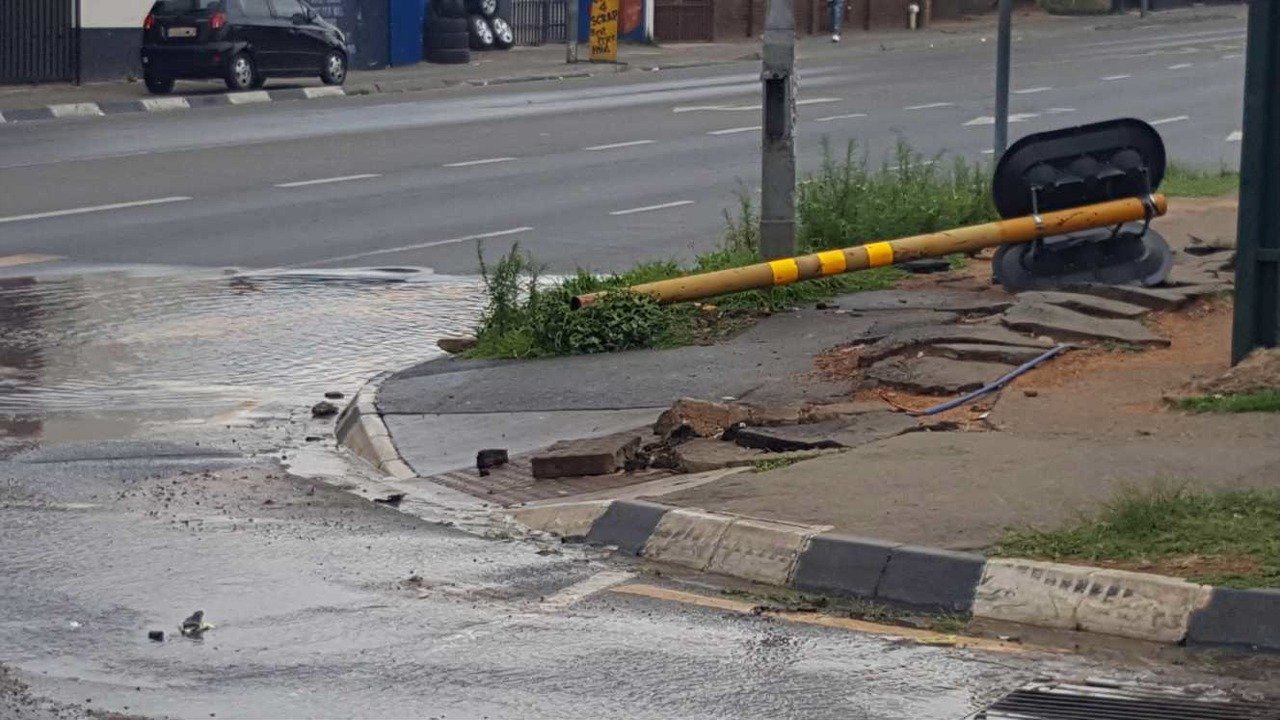
Another sign of suburban decline is environmental decay. Potholes or deteriorated road surfaces, overgrown pavements, broken or missing street signs, poor street lighting, burst water pipes, stagnant water, unpainted houses, etc are all indicators of a deteriorating, outdated or overloaded infrastructure. This decayed infrastructure is most often attributable to lack of accountability, poor management practices and lack of maintenance by local authorities.
Potholes appear and remain for long periods, blocked drainage and street gutters cause flooding or stagnated water reservoirs, burst pipes that run for days and often take long before repair, public lighting that’s scarce and unreliable, street signs are vandalised, stolen or not operational, and finally there’s the invasion of pests, rodents, insects, stagnant water, and stench.
All of this is a silent burden on societal health and wellbeing, both mentally and physically. Residents become overwhelmed, feel powerless, initially, anxiety sets in and later people give up hope, are frustrated and feel disenfranchised in their own communities.
Unemployment
Rising unemployment is one of the strongest predictors of broader societal decline. It affects everything from crime rates to mental health to population geo-economic stability.
Unemployment reduces disposable income, weakens local businesses, and increases psychological stress —creating a feedback loop that accelerates deterioration.
This deterioration is soon followed by vagrancy, crime escalation, unemployment increases further, private residential maintenance declines and arreas accounts (lower tax revenue) increase, devaluation of properties soon follow, decline in quality of local schools, decline or lack of access to local health facilities and further reduction in social services. An exodus of the more affluent residents from the area is a matter of fact and further reduces much needed tax revenue.
All of this is a silent burden on societal health and wellbeing, both mentally and physically, and inevitably translates into economic loss and a load on a macro-economic scale. Societal health is communal capital, that without, will make it virtually impossible to build a balanced and prosperous community.
In spite of all the show there are clear indicators that all is not well, that our neighbourhoods are being robbed of our wellbeing, our tranquillity, our safety and our peace of mind.
Contrary to the belief that litter is just an aesthetic issue, litter and uncontained refuse profoundly affects community mental health and social trust. Research shows that dirty, disordered environments are associated with feelings of stress, anxiety, and even poorer sleep quality. When litter accumulates, people will feel less safe, less motivated to use public spaces, and more disconnected from their neighbours.
Maintaining public cleanliness isn’t just cosmetic, it’s a cornerstone of communal respect and shared responsibility, which encourages a climate of ‘clean thinking’ to everyone’s benefit.
Total collapse is possible and needs to be prevented at any cost.
How do we begin to fix this situation?
Share some ideas with your community, in the comments below. Let’s all work together for a better neighbourhood.
Look out for Part 2 of this Blog


