
Building a Healthier Community
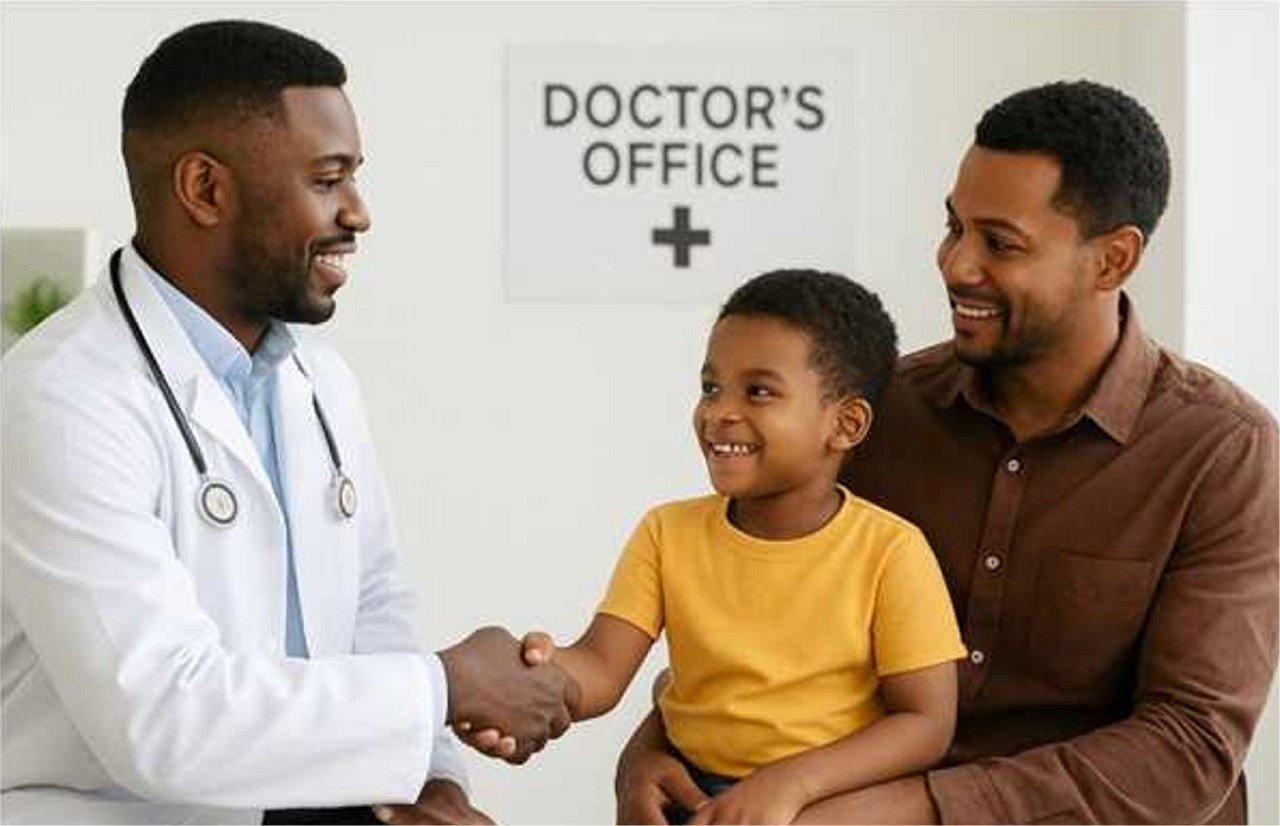


Building a Healthier Community
Looking at the Power of Accessible Local Healthcare Services
In every community access to quality healthcare is one of the most important needs for community based well-being. From local doctors and dentists to hospitals and clinics, community health services do far more than treat illness, they build trust among residents, their proximity helps to save time in any emergency, and close services promote a sense of security among residents. When people know that help is close by, they’re more likely to seek preventive care, take better care by managing ongoing conditions, and live healthier lives overall.
The Importance of Proximity in Healthcare is an understatement indeed, as having healthcare facilities within easy reach can make a life changing difference. I am sure we are all too familiar with what an emergency can look like in all its forms. The resonating emotions and necessity for quick decisions, so when medical care is local, residents can quickly access treatment or emergencies or schedule regular check-ups without the stress of long commutes.
Parents can bring children for vaccinations, the elderly can attend to much needed routine appointments with ease, and patients managing chronic conditions can receive consistent monitoring and advice. Distance should never be a barrier to health. Local clinics and hospitals would help to reduce delays in diagnosis and treatment, as they are easily accessible and these are some serious factors that often determine health outcomes. When services are nearby, people are encouraged to take early action instead of waiting for symptoms to worsen.
Building Confidence and Trust in the Community is yet another big MUST HAVE with our modern way of living. Both parents work and often times far from where their loved ones attend schools, or reside in care homes.
Community confidence grows when residents know that qualified healthcare professionals are part of their neighborhood. A local doctor who understands community lifestyles, family histories, and cultural sensitivities can provide more personalized and compassionate care. Familiar faces at the reception desk or pharmacy give a sense of reassurance, especially for patients who may feel anxious about taking certain medications OR even for purposes of advice.
This sense of belonging and care strengthens the bond between healthcare providers and the community, leading to better communication, compliance with medical advice, and overall healthier living.
The Value of Specialized Referrals
Local clinics often serve as the first point of contact for patients who may need specialized treatment. Whether it be a referral to a dentist, a physical therapist, or a cardiologist, this is how in a busy lifestyle with very real pressures, a smooth and coordinated approach to healthcare starts to emerge.
Referrals are paramount for almost all types of healthcare instances, and here is where a family doctor might refer a patient with persistent tooth or jaw pain to a nearby dental clinic, or a community clinic might connect a patient struggling with mobility to a physiotherapist who works just down the road. This network of care keeps patients within their community while still providing access to specialized help.
Local Health Services Strengthen the Economy Too Let’s not overlook the economic benefits of strong community healthcare services. Local clinics, hospitals, and dental practices create jobs, attract skilled professionals, and encourage families to settle in the area. This has such a positive impact on the property values in the locales, can motivate more education facilities to establish to your area and promotes local parks and recreation for families. Overall, health in mind and body are essential for growing any community and for fostering attitudes that motivate well balanced custodianship in communities. Healthy individuals contribute more actively to the local economy, while businesses benefit from reduced absenteeism and a more productive workforce.
We must not second our familiy favourites to the back of the queue
Caring for animals in our communities isn’t just about compassion it’s about responsibility and connection. Whether it’s feeding a stray cat, reporting an injured dog, or supporting local animal shelters, every small act contributes to a safer and kinder environment for all living creatures. When communities take an active role in animal care, everyone benefits. Healthy animals mean cleaner streets, fewer health risks, and stronger emotional bonds between people and pets. Local veterinary clinics and community animal programs also create opportunities for education—teaching children empathy, responsibility, and respect for life.
Simple actions go a long way:
Adopt, don’t shop – Give homeless animals a second chance.
Volunteer or donate – Support shelters with time, food, or resources.
Report neglect or abuse – Protect animals who can’t speak for themselves.
Promote spaying/neutering – Help control stray populations humanely.
Community care for animals isn’t just about pets, it’s about people coming together for a shared good. When we look after the animals around us, we strengthen the fabric of our neighborhoods.
Vision for Stronger, Healthier Communities
Every community thrives when its people are healthy and confident in the care they receive. By supporting local healthcare professionals, doctors, dentists, hospitals, and clinics and vets for our pets, we invest not only in individual wellness but in collective growth and resilience.
Remember that access to nearby health services means quicker treatment, stronger trust, and a greater sense of security. It reminds us all that good health isn’t just a personal matter, it’s a shared responsibility that starts right where we live.


